
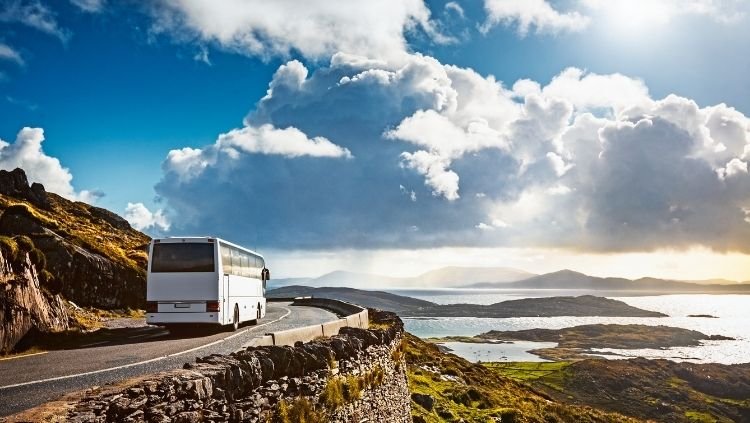
Ireland is a country best experienced slowly — through winding coastal paths, quiet village streets, and conversations with locals that happen between destinations. Car-free travel is transforming the way visitors explore Ireland, offering a more immersive, sustainable, and stress-free way to truly connect with the land and its people.
Traveling by rail, coach, and on foot allows you to see Ireland beyond the windshield. Instead of concentrating on road signs and traffic, you can focus on rolling green fields, stone cottages, dramatic cliffs, and the rhythm of everyday life. From Dublin’s DART coastal line to scenic rural rail routes, Ireland’s public transport network opens up some of the country’s most beautiful landscapes without the need to drive.
Car-free travel also supports local communities. When you arrive by train or bus, you are more likely to eat in small cafés, shop at family-run stores, stay in independent B&Bs, and join locally guided experiences. This keeps tourism income in the communities you visit rather than large rental companies or fuel chains.
Another advantage is sustainability. Fewer cars mean lower emissions, less congestion in historic towns, and a smaller environmental footprint. As Ireland works to protect its natural beauty and cultural heritage, responsible travel choices play an important role in preserving these landscapes for future generations.
Perhaps the biggest benefit of car-free travel is peace of mind. There is no need to navigate narrow country roads, worry about parking, or adapt to unfamiliar driving rules. Your journey becomes relaxed and fluid — trains glide along rivers and coastlines, buses link small villages, and walking turns streets into living stories.
At Ireland Heritages, every route is carefully designed around car-free travel principles. This approach creates deeper cultural connections, safer journeys, and a richer overall experience. By choosing to explore without a car, travelers discover a slower, more meaningful side of Ireland — one that stays with them long after the journey ends.